02 · Copper
If the 21st century is to be the century of electricity, its metal will be copper. It is copper that conducts current in grids, motors, devices and vehicles – with an efficiency matched among industrial metals only by far more expensive silver. The red metal has accompanied humanity for more than ten thousand years, yet its most important role is only now unfolding: without copper there is no electrification, no renewable energy and no digitalisation.
Properties
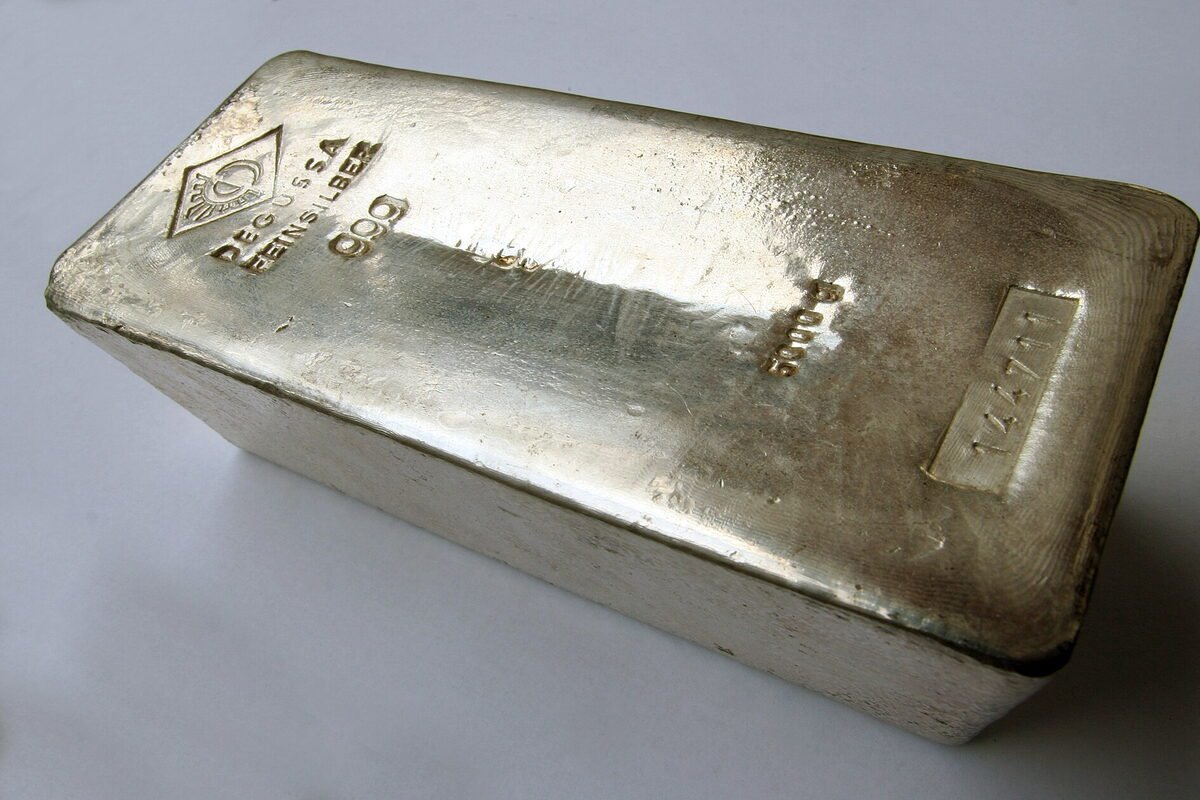
Copper (Cu) is the benchmark for electrical conductivity. The International Annealed Copper Standard (IACS, 1913) sets the conductivity of standard annealed copper at 100% (58.0 MS/m at 20 °C); modern electrolytic (ETP) copper reaches about 100–101% IACS, and the highest-purity copper about 103%. Of all metals, only silver – many times more expensive – conducts electricity better. Add to this excellent thermal conductivity, exceptional ductility, corrosion resistance (a protective patina) and natural antimicrobial properties. Copper is also the basis of the most important alloys in the history of technology: bronze (with tin) and brass (with zinc).
| Property | Value |
|---|
| Atomic number | 29 |
| Atomic weight | 63.54 |
| Density | 8,960 kg/m³ |
| Melting point | 1,356 K (about 1,083 °C) |
| Specific heat (293 K) | 0.383 J/(g·K) |
| Thermal conductivity | 394 W/(m·K) |
| Coefficient of linear expansion | 16.5 × 10⁻⁶ /K |
| Young’s modulus | 110 GPa |
| Electrical resistivity (20 °C) | 1.68 × 10⁻⁸ Ω·m |
| Electrical conductivity (20 °C) | 59.5 MS/m |
| Crystal structure | face-centred cubic |
Source: International Copper Study Group, The World Copper Factbook 2026, p. 7. The IACS standard (100% = 58.0 MS/m) refers to the annealed copper adopted in 1913; 59.5 MS/m is the value given by the ICSG for copper at 20 °C.
From the Copper Age to the age of electricity
Copper was one of the first metals mastered by humans – its use dates back more than ten thousand years, and the period of its dominance is known as the Copper Age (Chalcolithic). The very name – Latin cuprum – derives from Cyprus, an ancient mining centre. Combining copper with tin produced bronze and gave its name to the next age. Its true renaissance, however, came with electricity: from the times of Faraday and Edison, it was copper – as a conductor – that became the nervous and circulatory system of the industrialised world.
Market and production – geography and prices
According to the International Copper Study Group, world copper mine production reached about 23.2 million tonnes in 2025, and refined copper production about 28.7 million tonnes. The undisputed mining leader is Chile (5.4 Mt, about 23% of world output), ahead of the Democratic Republic of the Congo (about 15%) and Peru (about 12%); smelting and refining are dominated by China (about 56% of smelter and 48% of refined output). The U.S. Geological Survey estimates world reserves at about 980 million tonnes.
Copper is one of the most important barometers of the economy – because its price is so sensitive to the business cycle, it is nicknamed "Dr Copper". The average price on the London Metal Exchange (LME) in 2024 was about USD 9,000–9,200 per tonne, with a record of about USD 11,100/t in May 2024; in 2025–2026 prices set further records (above USD 12,000/t) amid supply tightness and rising energy-transition demand. According to the ICSG, the LME official price averaged a record USD 14,353/t in August 2026 – about 15% above its end-2025 level.
Applications – where copper works
Copper’s application profile reflects its nature as a conductor. According to the International Wrought Copper Council (2025 data cited by the ICSG), the largest end-use market is building construction (about 25%), followed by consumer and general products, cooling and electronics (22%), power and telecom infrastructure (18%), transport (15%), industrial equipment (11%) and other uses (9%). At the first-use stage wire dominates (63%), ahead of tube (12%), plate, sheet and strip (11%), rods, bars and sections (9%) and foil (5%). In construction it means electrical installations, plumbing and durable roofing; in electronics – circuit tracks and contacts; in transport – motors, wiring harnesses and charging systems. The more electrified the economy, the more copper it needs.
Copper in the energy transition
Every decarbonisation technology is "hungry for copper". An electric vehicle contains two to four times more copper than a combustion one (motor, battery, inverter, wiring, charger). Wind and photovoltaic installations need 2.5–7 times more copper than conventional sources, and whole renewables-based power systems – by some estimates up to 6–12 times more. The scale of the challenge is enormous: according to the International Energy Agency, by 2035 announced projects meet only about 70% of copper requirements, and some analyses point to the need to bring as many as 194 new mines on line by 2050 – making copper one of the "bottlenecks" of the global transition.
Recycling and the secondary loop
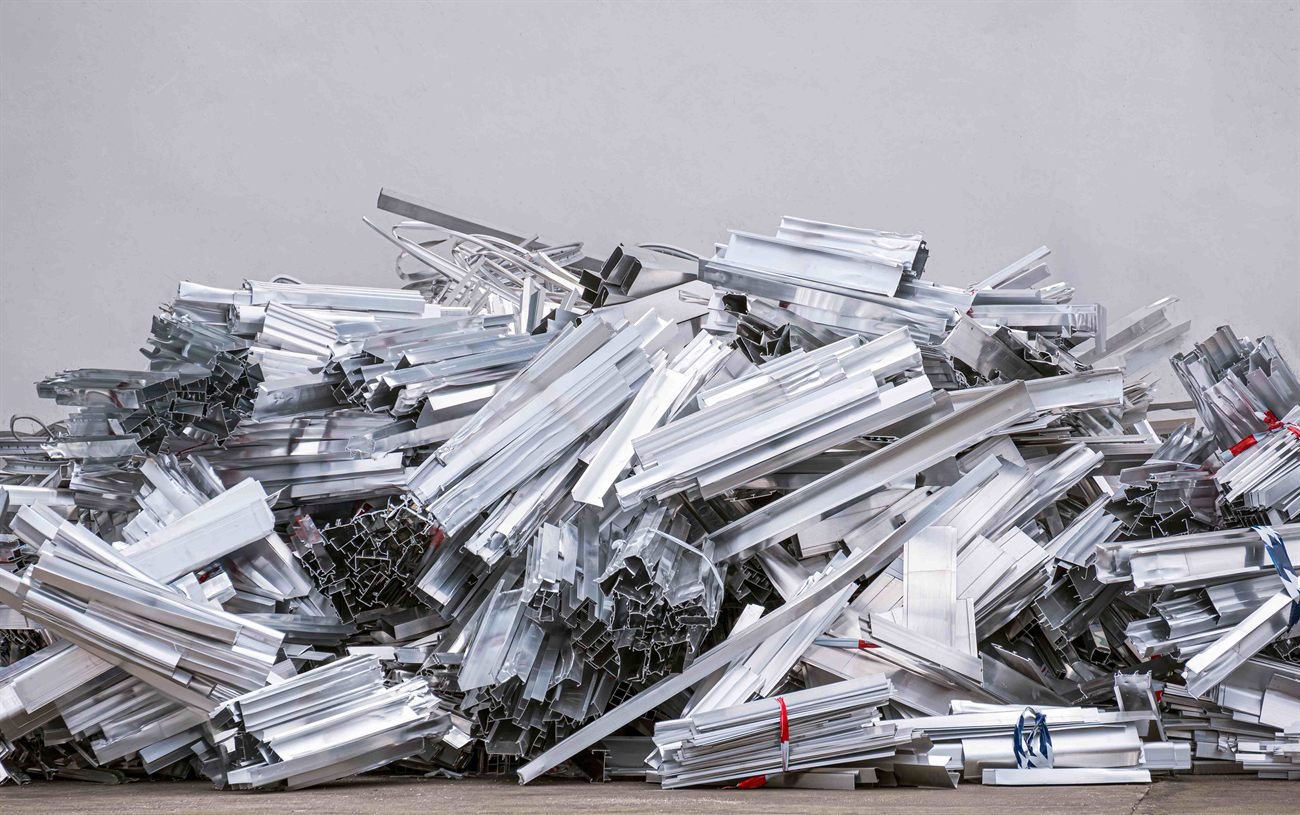
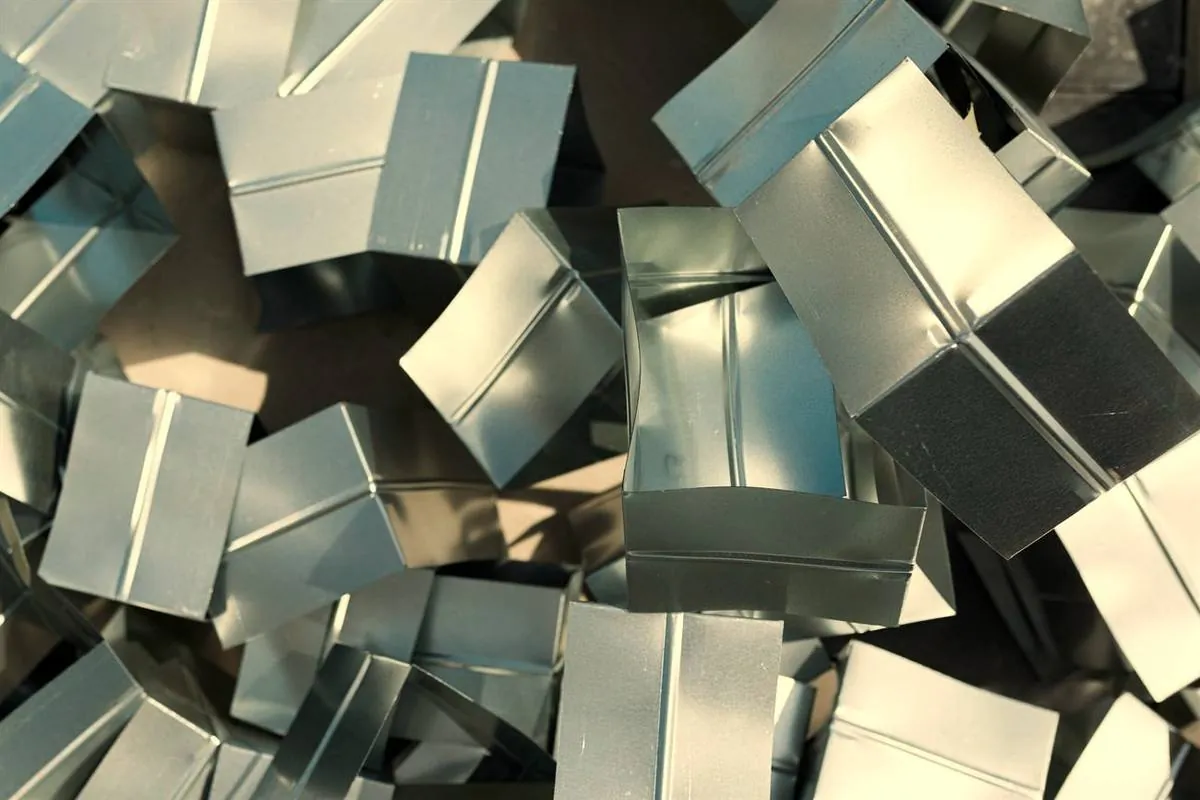
Copper is an almost ideal metal from a circular-economy perspective: it can be recycled indefinitely without loss of properties. More than 30% of global demand is already met by secondary material (ICSG recycling input rate: about 34% in 2025, i.e. about 11.8 Mt), and the copper stock accumulated in infrastructure, vehicles and devices – the "urban mine" – equals about 33 years of world production. Recycling uses far less energy than producing it from ore; as the wave of scrap grows, its role will rise rapidly – the IEA expects the secondary-supply share to head towards about 40% by 2050. This is an area directly linked to the activity of many of the Chamber's members.
Copper as a strategic raw material
Growing, structurally deficit-prone demand has made copper a matter of raw-material policy. The EU's Critical Raw Materials Act (CRMA, 2024) classified copper as a strategic raw material and set 2030 targets: at least 10% of EU demand from extraction in Europe, 40% from processing and 25% from recycling, while limiting dependence on any single non-EU supplier to a maximum of 65%. The European Commission explicitly identifies copper mined in Poland as an EU source of this raw material. Its strategic importance is reinforced by the strong concentration of supply (Chile, DR Congo, Peru) and the long, decade-plus lead time for bringing new mines on line.
Copper, the human being and everyday life
Copper's relationship with humans is also biological. Copper is an essential trace element: an adult body contains only about 80–120 mg of it, with a dietary reference value of about 1.3–1.6 mg/day. It takes part in cellular energy production, the formation of connective tissue and blood vessels, iron transport and the workings of the nervous and immune systems. Surfaces of copper and its alloys have documented antimicrobial properties – increasingly used where hygiene matters. In our everyday surroundings copper is ubiquitous: kilometres of wiring in every home, installations and pipes, motors in household appliances, tracks in electronics, contacts in chargers, as well as coins, instruments and cookware.
23.2 Mtworld mine output, 2025
100% IACSconductivity benchmark
25%building – largest end-use market
~34%recycled share of copper use (RIR 2025)
~34 MtPoland reserves (USGS)
2.5–7×more Cu in renewables
| Country |
Mine 2024 (Mt) |
Reserves (Mt) |
Notes |
| Chile | ~5.3 | ~190 | World's largest producer and reserve holder |
| DR Congo | ~3.3 | ~80 | Rapidly growing output |
| Peru | ~2.6 | ~120 | Among the world's top producers |
| China | ~1.8 | ~41 | Dominant in refined production (smelting) |
| Poland | ~0.41 | ~34 | KGHM; the LGOM basin; reserves among the world's largest |
| World (rounded) | ~23 / 27 | ~1,000 | Strong geographic concentration of supply |
Source: U.S. Geological Survey, Mineral Commodity Summaries 2025; International Copper Study Group (2024 data, rounded).
| End-use market | Share 2025 | Examples |
|---|
| Building construction | 25% | Electrical wiring, plumbing, heating and cooling, roofing |
| Consumer and general products, cooling, electronics | 22% | Appliances, air-conditioning, computers, cookware, locks |
| Power and telecom infrastructure | 18% | Cables, transformers, substations, networks |
| Transport | 15% | Wiring harnesses, motors, electric vehicles, rail |
| Industrial equipment | 11% | Motors, heat exchangers, bearings, valves |
| Other | 9% | Other uses |
Source: International Copper Study Group, The World Copper Factbook 2026, p. 46 (International Wrought Copper Council, IWCC data).
| Semi-finished product | First use 2025 (IWCC) | Production capacity 2025 (ICSG) |
|---|
| Wire / wire rod | 63% | 62% |
| Tube | 12% | 8% |
| Plate, sheet and strip | 11% | 12% |
| Rods, bars and sections | 9% | 8% |
| Foil | 5% | 5% |
Source: International Copper Study Group, The World Copper Factbook 2026, pp. 46 and 56. Capacity in gross weight; remaining capacity: alloy wire 2%, castings and ingots 1.7%, powder 0.2%, not classified 1.1%.
From ore to cathode – how copper is produced
Most copper comes from sulphide ores, mined mainly in open pits. The ore is crushed, ground and concentrated by flotation (concentrates typically contain about 28% Cu, within a range of 20–40%). At the smelter, concentrate is turned into copper matte (50–70% Cu), which a converter turns into blister copper (98.5–99.5% Cu). After fire refining it is cast into anodes, and electrorefining yields cathodes of more than 99.99% purity. Oxide ores and some sulphide ores are processed hydrometallurgically: leaching, solvent extraction (SX) and electrowinning (EW) lead directly to cathodes. In 2025 SX-EW produced about 5.1 Mt, or about 22% of world mine output.
Ore
→Concentrate~28% Cu
→Copper matte50–70% Cu
→Blister copper98.5–99.5% Cu
→Anodes99–99.5% Cu
→Cathodes>99.99% Cu
The second source is scrap. New scrap arises in the production of semis and finished products, old scrap from end-of-life products. Refined copper made from scrap (secondary production) accounted for about 19% of world refined output in 2025, and secondary feed provided about 17% of smelter output (4.2 Mt).
Source: International Copper Study Group, The World Copper Factbook 2026, pp. 8, 15, 16, 22 and 27.
The copper market in 2025 – ICSG figures
| Stage of the chain | 2025 | Leaders (share) | Capacity 2025 → 2030 / notes |
|---|
| Mine production (Cu content) | 23.2 Mt | Chile 23%, DR Congo 15%, Peru 12% | 28.8 → 34.5 Mt; utilisation ~81% |
| Smelter production | 24.4 Mt | China ~56%; secondary feed 17% | 29.1 → 33.0 Mt |
| Refined copper | 28.7 Mt | China 48%, DR Congo 10%, Chile 6%; secondary 19% | 35.6 → 39.8 Mt; utilisation ~80% |
| Refined copper usage | 28.2 Mt | China ~59% | 3.4 kg per capita worldwide |
| Total copper use (incl. direct-melt scrap) | 34.6 Mt | direct-melt scrap – almost one-fifth | 21.7 Mt in 2005 |
| Semis (gross weight) | 32.5 Mt | Asia 86% | 67.5 → ~74 Mt |
Source: International Copper Study Group, The World Copper Factbook 2026, pp. 10, 16–30, 41–45 and 54–57 (2025 data preliminary). Capacity means production capability, not a production forecast.
The shift of the copper industry to Asia
Geology decides where copper is mined, but processing follows industry and consumption. Since the 1960s and 1990s Asia’s share has risen at every stage of the chain, while Europe’s share – mining apart – has fallen markedly; in 2025 Europe produced about 8% of the world’s copper semis.
| Stage of the chain | Period | Asia | Europe |
|---|
| Mine production | 1960 → 2025 | 6% → 20% | 11% → 10% |
| Smelter production | 1990 → 2025 | 21% → 72% | 29% → 14% |
| Refined production | 1990 → 2025 | 19% → 62% | 32% → 13% |
| Refined copper usage | 1960 → 2025 | 10% → 76% | 57% → 14% |
| Semis production | 1980 → 2025 | 23% → 86% | 43% → 8% |
Source: International Copper Study Group, The World Copper Factbook 2026, pp. 17, 23, 28, 42 and 55 (shares of world production or usage).
Poland in ICSG statistics
The Głogów smelter (I and II), with two Outokumpu flash furnaces (230 and 310 kt), has a combined capacity of 540 kt – fourth among the world’s copper smelters in the ICSG ranking for 2026. The Głogów electrolytic refinery (468 kt) ranks 17th among the world’s refineries. In ICSG charts for 2025, Poland ranks 15th in copper mine production, 7th in smelter production and 10th in refined copper production, and in semis trade it is 10th among exporters and 14th among importers. Poland is a member of the International Copper Study Group.
Source: International Copper Study Group, The World Copper Factbook 2026, pp. 2, 18, 24, 26, 29, 31 and 37.
Resources: will we run out of copper?
According to the USGS, world copper reserves – deposits identified and economic to mine – stood at about 980 Mt in 2025. Resources are far larger: the USGS 2015 assessment of porphyry and sediment-hosted deposits (about 80% of world supply) identified about 1,500 Mt of identified, unextracted resources and about 3,500 Mt of undiscovered resources – some 5,000 Mt in total, excluding seabed deposits. Reserves are not a fixed stock: between 2000 and 2025 about 464 Mt of copper was mined while reserves grew by about 547 Mt – from 433 to 980 Mt. Since 1960 they have averaged about 40 years of production. The ICSG considers physical depletion of copper highly unlikely; the challenge is bringing sufficient economic supply to market in time.
In Europe the USGS identified about 130 Mt of copper in porphyry and sediment-hosted deposits and estimates about 270 Mt of undiscovered resources. Worldwide, mine projects with capacity above 100 kt a year together represent about 10 Mt of additional mining capacity. Seabed deposits (polymetallic nodules and sulphides) are another potential source, but according to the ICSG, as of September 2026 the International Seabed Authority (ISA) had not approved any commercial exploitation.
980 Mtworld reserves (USGS, 2025)
~5,000 Mtidentified and undiscovered resources
~40 yearsaverage reserve life since 1960
~10 Mtmine projects above 100 kt/y
Source: International Copper Study Group, The World Copper Factbook 2026, pp. 11–14 (citing USGS, Mineral Commodity Summaries 2026; USGS, Assessment of Undiscovered Copper Resources of the World, 2015).
Why supply responds slowly
The constraint is not the amount of copper in the Earth’s crust but the time, cost and complexity of turning resources into reliable production. The ICSG identifies nine groups of constraints:
| Constraint | What it involves |
|---|
| Ore quality and mining complexity | Lower grades, greater depths and more complex ores mean more material to mine and process, and more energy and water. |
| Permitting and lead times | Many years pass from discovery to production; environmental reviews, legal challenges and consultations extend timelines. |
| Capital and costs | New mines are increasingly capital-intensive; higher construction, equipment, labour and financing costs weaken project economics. |
| Water and energy | Water scarcity, desalination and seawater pumping, power availability and decarbonisation costs. |
| Environmental and social acceptance | Water use, tailings, biodiversity, consultation with local and Indigenous communities. |
| Exploration and project pipeline | Exploration focuses on existing mines; major greenfield discoveries are scarce. |
| Policy and geopolitical risk | Taxation, royalties, state participation, resource nationalism and geographic concentration of supply. |
| Infrastructure, labour and inputs | Remote deposits need power, transport and water; skilled labour and contractors are short; SX-EW depends on sulphuric acid availability. |
| Operational execution | Accidents, geotechnical problems, disruptions and slower ramp-ups keep output below nameplate capacity. |
Source: International Copper Study Group, The World Copper Factbook 2026, p. 21 (summary).
Where copper demand is growing
| Area | What the data say |
|---|
| Power grids | IEA: about 80 million km of grids must be added or replaced by 2040 – roughly the size of the entire global grid today. |
| Data centres and AI | IEA: data-centre electricity consumption is expected to double – from 485 TWh in 2025 to 950 TWh in 2030. |
| Electric mobility | More than 20 million electric cars were sold in 2025 (about 20% more than a year earlier) – around one-quarter of new cars worldwide. |
| Semiconductors | Advanced chips can contain more than 100 km of copper interconnect wiring. |
| Renewables, energy storage, building and industrial electrification | Generators, inverters, busbars, heat pumps, chargers, motors and drives. |
Source: International Copper Study Group, The World Copper Factbook 2026, pp. 47–53 (IEA data cited by the ICSG).
Recycling in figures – what the indicators measure
In 2025 secondary materials – scrap melted directly by semis producers and refined copper produced from scrap – supplied about 11.8 Mt of copper, and the recycling input rate (RIR, the share of recycled inputs in total copper use) was about 34%, similar to 2005 (33.8% with 7.3 Mt). A stable rate does not mean stagnation: in 2005–2025 secondary refining grew by 4.6% a year on average and direct-melt scrap by 1.1%. Because copper stays in use for decades and the in-use stock keeps growing, recycling cannot fully replace mining. Nor is the RIR an end-of-life (EoL) recycling rate – that is measured separately:
| Indicator | Value | What it measures |
|---|
| Recycling input rate, RIR (10-year average) | 31% | Share of recycled inputs in total copper use |
| End-of-life (EoL) recycling rate | 39% | Share of copper in end-of-life products returned to functional use |
| EoL collection rate | 55% | Share of end-of-life products entering a recycling chain |
| EoL processing rate | 71% | Efficiency of sorting, pre-processing and metallurgical recovery of collected scrap |
| Overall recycling efficiency rate | 55% | Share of available new and old scrap collected and prepared for recycling |
Source: International Copper Study Group, The World Copper Factbook 2026, pp. 58–61; EoL indicators – Fraunhofer ISI model for the International Copper Association (as of 2020, 10-year averages).
Collection is frequently the weakest link: efficient metallurgical recovery cannot compensate for copper that is landfilled, dissipated or left for years in hibernating products. Future secondary supply will therefore depend on collection, sorting, product design and processing technology.
Exchanges, prices and stocks
Reference copper prices are set by three exchanges: the London Metal Exchange (25 t contract quoted in USD/t; the LME Official Settlement Price is the global reference for physical transactions), COMEX within the CME Group (25,000 lb, US cents per pound) and the Shanghai Futures Exchange (5 t, renminbi per tonne). When forward prices are above nearby prices the market is in contango; the reverse is backwardation. Exchange warehouse stocks are only part of global inventories. Since 2025, expectations of US copper tariffs have drawn large volumes of cathode into COMEX warehouses, tightening the availability of metal on the LME and in other regions.
Source: International Copper Study Group, The World Copper Factbook 2026, pp. 38–39.
Source: International Copper Study Group (2026), The World Copper Factbook 2026, Lisbon, Portugal (www.icsg.org). This translation/adaptation was independently created and is not endorsed by the International Copper Study Group. It should not be regarded as an official translation or adaptation by the International Copper Study Group, and the Group assumes no responsibility for any errors or inaccuracies in this translation/adaptation.
The Polish context and the role of the Chamber
Poland is among the world's leading copper producers – thanks to KGHM Polska Miedź and the Legnica-Głogów Copper Basin (LGOM, about 416 km²). The deposit is worked by the Lubin, Polkowice-Sieroszowice and Rudna mines, while processing is carried out by the Głogów I, Głogów II (with a pioneering flash smelter) and Legnica smelters and the Cedynia wire-rod plant. The result is Grade A cathodes of 99.99% purity (the HMG-S, HMG-B and HML brands listed on the LME), with silver, gold, lead and nickel as by-products. National reserves (about 34 Mt per USGS) place Poland among the world's largest holders, and KGHM Group payable copper output exceeds 700 thousand tonnes a year. The Chamber represents this potential at the national and European level.
The red metal that conducts electricity better than almost any other is today an indispensable condition of electrification – and Poland is among its world leaders.
 Cu29
Cu29