IGMNiRIGMNiR
Knowledge base · materials in the loop

Five metals, one loop

An industry knowledge base on the production, market and recycling of key non-ferrous metals, and on scrap and waste trade.

01 — Non-ferrous metals

The industry's materials

Copper Cu29

Copper

The metal of electrification and the energy transition, 100% recyclable without loss of properties. World refined copper production reached about 27.5 million tonnes in 2024 (ICSG); thanks to KGHM, Poland is one of Europe's leading copper producers.

Aluminium Al13

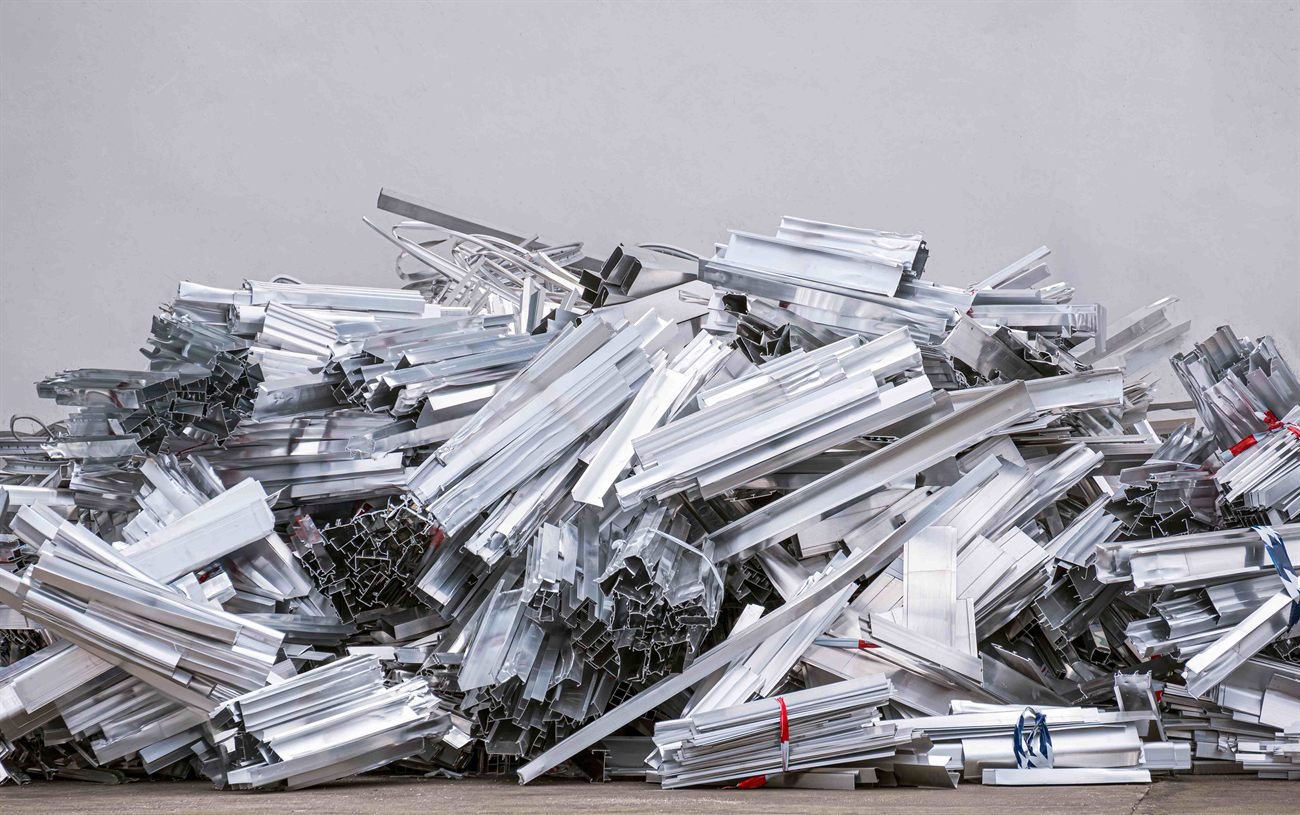
Aluminium

Lightweight and infinitely recyclable. Recycling aluminium saves about 95% of the energy of primary production (International Aluminium Institute), and about 95% of the metal is recovered from end-of-life vehicles (European Aluminium).

Lead Pb82

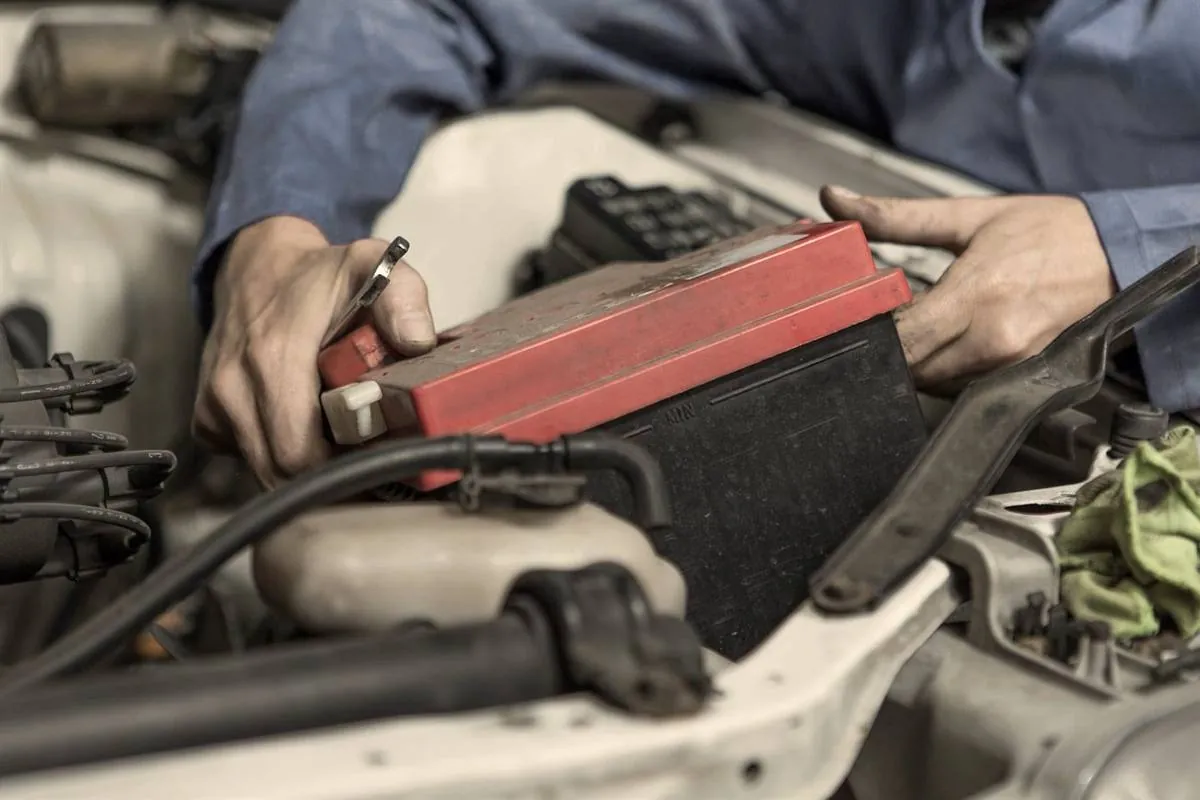
Lead

The most recycled of the commonly used metals. In Europe about 99% of lead-acid batteries are recycled, and secondary production accounts for more than 70% of global lead supply (International Lead Association).

Zinc Zn30

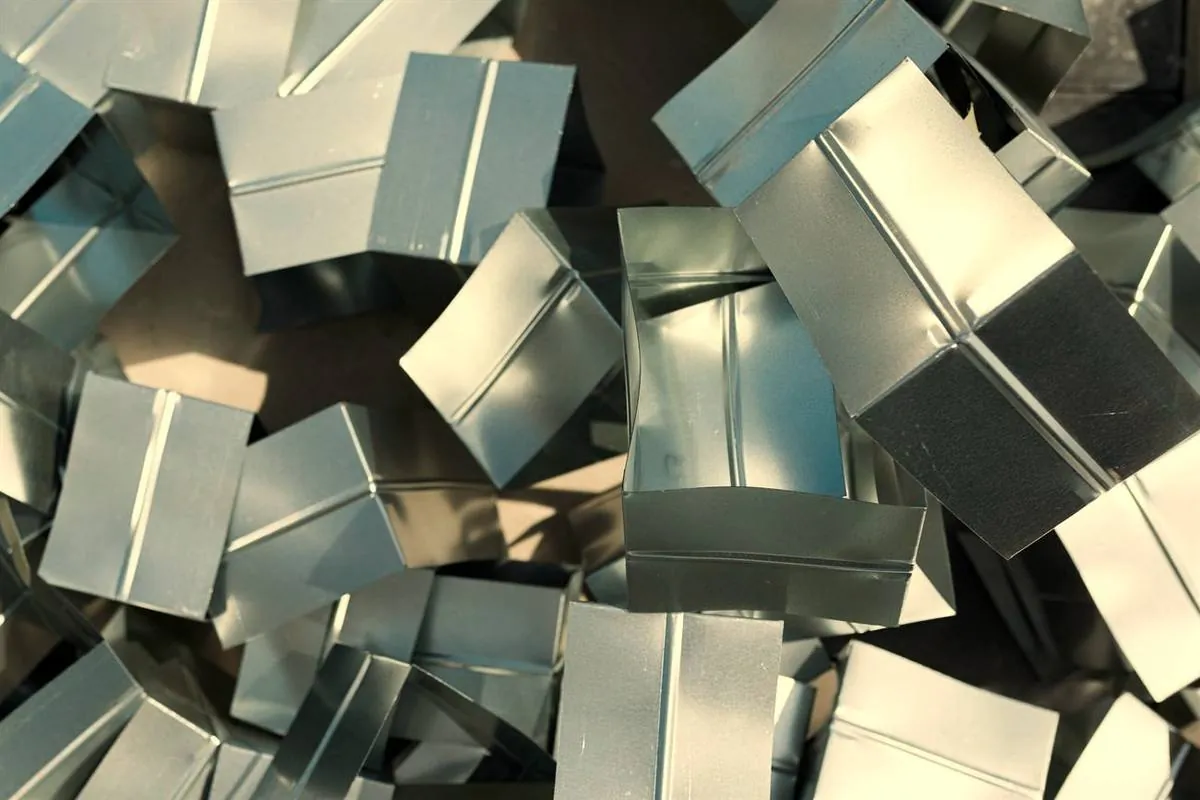
Zinc

Protects steel from corrosion (galvanizing), extending the life of infrastructure. It is infinitely recyclable, and about 30% of zinc in use comes from recycling (International Zinc Association).

47 Ag

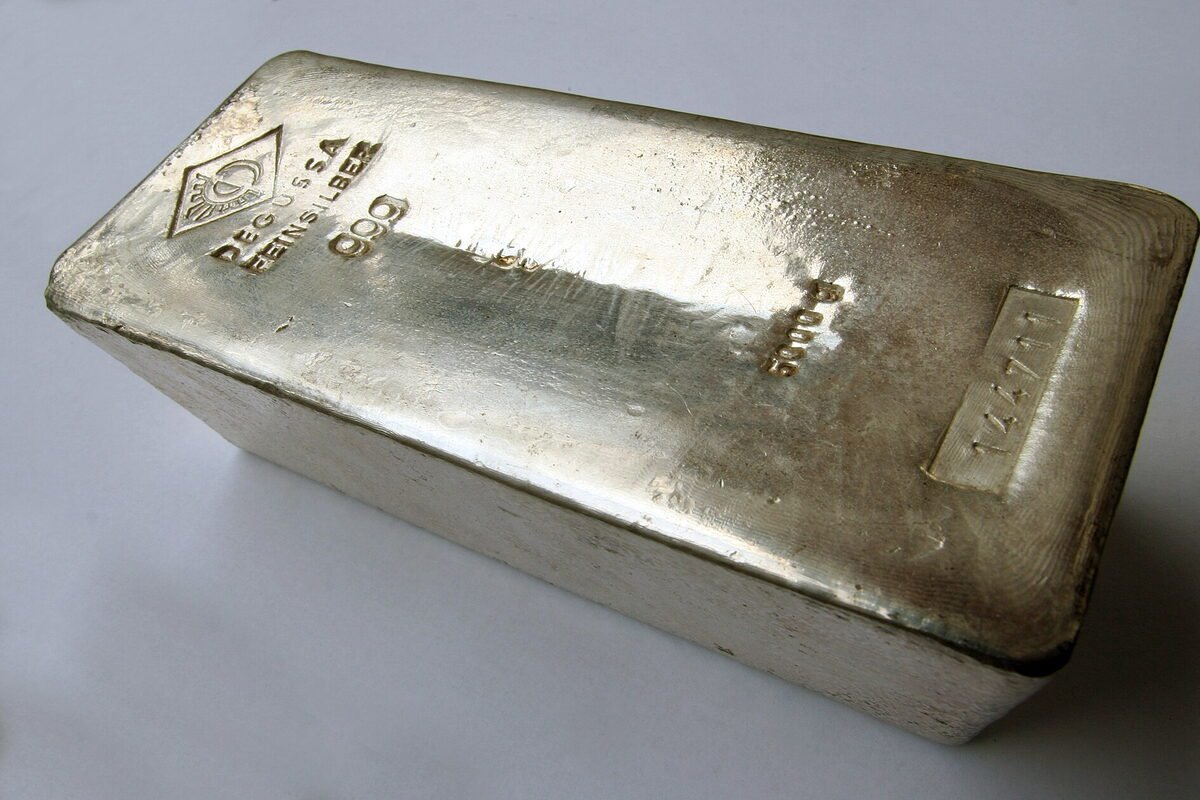
Silver

A metal of critical importance for electronics and photovoltaics. Industrial silver demand reached a record 680.5 million ounces in 2024, with photovoltaics accounting for about 29% (The Silver Institute). In Poland, silver is a by-product of copper metallurgy — KGHM is among the world's largest silver producers.

From the atom to the economy: properties, markets, recycling and the strategic significance of copper, aluminium, zinc, lead and silver in the 21st century.

We live in the age of non-ferrous metals without realising it. While iron and steel form the skeleton of the economy, non-ferrous metals act as its nervous and circulatory system: they conduct energy and information, protect structures against corrosion, store electricity, enable the miniaturisation of electronics and set the pace of the energy transition. We rarely see them — which makes understanding their role all the more important.

This paper takes the reader from the atomic scale (the physical properties that make these metals irreplaceable), through the industrial scale (production, markets, recycling), to the geopolitical scale (Europe's raw-material security). One feature unites them and sets metals apart from almost every other material: the capacity for endless recycling without loss of properties — the foundation of the circular economy.

01

What non-ferrous metals are — a map of the family

"Non-ferrous metals" are all metals and their alloys other than iron and steel. The family is usually organised into three groups. At the centre of the European and Polish economy sits the "big five": copper, aluminium, zinc, lead and silver.

Base metals

Copper, aluminium, zinc, lead, tin, nickel — the backbone of industry.

Precious metals

Silver, gold, the platinum-group metals — high value and chemical resistance.

Minor & specialty metals

More than 45 elements with specialised high-technology applications.

The economic scale of this industry is often underestimated. The European non-ferrous metals and recycling industry generates more than EUR 120 billion in annual turnover and employs around 500,000 people, supplying materials to almost every other sector — from construction and automotive to energy, electronics and defence. What all these metals share is chemical permanence: an atom of copper remains an atom of copper no matter how many times we remelt it.

That is why the modern industry is captured in a single phrase — "five metals, one cycle": a raw material once mined can circulate in the economy practically forever.
Copper Cu29
The red metal of electricity
02 · Copper

If the 21st century is to be the century of electricity, its metal will be copper. It is copper that conducts current in grids, motors, devices and vehicles — with an efficiency matched among industrial metals only by far more expensive silver. The red metal has accompanied humanity for more than ten thousand years, yet its most important role is only now unfolding: without copper there is no electrification, no renewable energy and no digitalisation.

Properties

Copper (Cu) is the benchmark for electrical conductivity. The international IACS standard sets the conductivity of pure copper at 100% (equal to 58 MS/m), and electrolytic (ETP) copper reaches around 101% IACS. Of all metals, only silver — many times more expensive — conducts electricity better. Add to this excellent thermal conductivity, exceptional ductility, corrosion resistance (a protective patina) and natural antimicrobial properties. Copper is also the basis of the most important alloys in the history of technology: bronze (with tin) and brass (with zinc).

From the Copper Age to the age of electricity

Copper was one of the first metals mastered by humans — its use dates back more than ten thousand years, and the period of its dominance is known as the Copper Age (Chalcolithic). The very name — Latin cuprum — derives from Cyprus, an ancient mining centre. Combining copper with tin produced bronze and gave its name to the next age. Its true renaissance, however, came with electricity: from the times of Faraday and Edison, it was copper — as a conductor — that became the nervous and circulatory system of the industrialised world.

Market and production — geography and prices

World copper mine production is about 23 million tonnes a year, with refined production of about 27 million tonnes. The undisputed leader is Chile (about 5.3 Mt and the world's largest reserves — about 190 Mt), with the Democratic Republic of the Congo (about 3.3 Mt) and Peru (about 2.6 Mt) in the top tier; refining is dominated by China. World reserves are estimated at about 1 billion tonnes.

Copper is one of the most important barometers of the economy — because its price is so sensitive to the business cycle, it is nicknamed "Dr Copper". The average price on the London Metal Exchange (LME) in 2024 was about USD 9,000–9,200 per tonne, with a record of about USD 11,100/t in May 2024; in 2025–2026 prices set further records (above USD 12,000/t) amid supply tightness and rising energy-transition demand.

Applications — where copper works

Copper's application profile reflects its nature as a conductor. According to the International Copper Association, the largest share goes to power — generation and transmission (about 44%); followed by construction (about 20%), electrical equipment and electronics (about 14%), transport (about 12%) and other goods (about 10%). In construction it means electrical installations, plumbing and durable roofing; in electronics — circuit tracks and contacts; in transport — motors, wiring harnesses and charging systems. The more electrified the economy, the more copper it needs.

Copper in the energy transition

Every decarbonisation technology is "hungry for copper". An electric vehicle contains two to four times more copper than a combustion one (motor, battery, inverter, wiring, charger). Wind and photovoltaic installations need 2.5–7 times more copper than conventional sources, and whole renewables-based power systems — by some estimates up to 6–12 times more. The scale of the challenge is enormous: according to the International Energy Agency, by 2035 announced projects meet only about 70% of copper requirements, and some analyses point to the need to bring as many as 194 new mines on line by 2050 — making copper one of the "bottlenecks" of the global transition.

Recycling and the secondary loop

Copper is an almost ideal metal from a circular-economy perspective: it can be recycled indefinitely without loss of properties. More than 30% of global demand is already met by secondary material (ICSG: about 32%), and the copper stock accumulated in infrastructure, vehicles and devices — the "urban mine" — equals about 33 years of world production. Recycling uses far less energy than producing it from ore; as the wave of scrap grows, its role will rise rapidly — the IEA expects the secondary-supply share to head towards about 40% by 2050. This is an area directly linked to the activity of many of the Chamber's members.

Copper as a strategic raw material

Growing, structurally deficit-prone demand has made copper a matter of raw-material policy. The EU's Critical Raw Materials Act (CRMA, 2024) classified copper as a strategic raw material and set 2030 targets: at least 10% of EU demand from extraction in Europe, 40% from processing and 25% from recycling, while limiting dependence on any single non-EU supplier to a maximum of 65%. The European Commission explicitly identifies copper mined in Poland as an EU source of this raw material. Its strategic importance is reinforced by the strong concentration of supply (Chile, DR Congo, Peru) and the long, decade-plus lead time for bringing new mines on line.

Copper and the human being

Copper's relationship with humans is also biological. Copper is an essential trace element: an adult body contains only about 80–120 mg of it, with a dietary reference value of about 1.3–1.6 mg/day. It takes part in cellular energy production, the formation of connective tissue and blood vessels, iron transport and the workings of the nervous and immune systems. Surfaces of copper and its alloys have documented antimicrobial properties — increasingly used where hygiene matters. In our everyday surroundings copper is ubiquitous: kilometres of wiring in every home, installations and pipes, motors in household appliances, tracks in electronics, contacts in chargers, as well as coins, instruments and cookware.

~23 Mtworld mine production
100% IACSconductivity benchmark
~44%power share of use
~32%recycled copper
~34 MtPoland reserves (USGS)
2.5–7×more Cu in renewables
Country Mine 2024 (Mt) Reserves (Mt) Notes
Chile~5.3~190World's largest producer and reserve holder
DR Congo~3.3~80Rapidly growing output
Peru~2.6~120Among the world's top producers
China~1.8~41Dominant in refined production (smelting)
Poland~0.41~34KGHM; the LGOM basin; reserves among the world's largest
World (rounded)~23 / 27~1,000Strong geographic concentration of supply

Source: U.S. Geological Survey, Mineral Commodity Summaries 2025; International Copper Study Group (2024 data, rounded).

Sector Share (world) Application
Power — generation & transmission~44%Grids, transformers, power cables
Construction~20%Electrical installations, plumbing, roofing
Electrical equipment & electronics~14%Motors, devices, printed circuits
Transport~12%Vehicles, incl. electric (2–4× more copper)
Other~10%Coins, instruments, appliances, sculptures, cookware

Source: International Copper Association (global use structure, indicative figures).

The Polish context and the role of the Chamber

Poland is among the world's leading copper producers — thanks to KGHM Polska Miedź and the Legnica-Głogów Copper Basin (LGOM, about 416 km²). The deposit is worked by the Lubin, Polkowice-Sieroszowice and Rudna mines, while processing is carried out by the Głogów I, Głogów II (with a pioneering flash smelter) and Legnica smelters and the Cedynia wire-rod plant. The result is Grade A cathodes of 99.99% purity (the HMG-S, HMG-B and HML brands listed on the LME), with silver, gold, lead and nickel as by-products. National reserves (about 34 Mt per USGS) place Poland among the world's largest holders, and KGHM Group payable copper output exceeds 700 thousand tonnes a year. The Chamber represents this potential at the national and European level.

The red metal that conducts electricity better than almost any other is today an indispensable condition of electrification — and Poland is among its world leaders.
Aluminium Al13
Lightness · heavy footprint · endless recycling
03 · Aluminium

Aluminium is a metal of paradoxes. It is the most abundant metal in the Earth's crust, yet also a high-tech material; producing it from ore is among the most energy-intensive processes in industry, yet once made it can circulate in the economy indefinitely, using only a fraction of the original energy when recycled. It is precisely these tensions — between lightness and energy intensity, between the heavy footprint of primary production and near-perfect circularity — that make aluminium one of the most important and fascinating metals of the 21st century.

Properties

Aluminium combines features rarely found together in one metal. Its density (approx. 2.7 g/cm³) is about one-third that of steel, yet aluminium alloys achieve high strength. A thin, self-forming oxide layer provides corrosion resistance; the metal is non-magnetic, reflects light and heat well, is non-toxic, and its electrical conductivity (approx. 61% IACS) exceeds copper on a per-mass basis — which is why aluminium is used in overhead transmission lines. Its low melting point (660 °C) makes casting and recycling easier.

The value chain: bauxite → alumina → aluminium

The road from rock to metal is two-stage and energy-intensive. First the Bayer process converts bauxite into alumina, and then the Hall-Héroult process (developed in 1886) extracts pure aluminium by electrolysis of molten alumina. The proportions are telling: roughly 4–5 tonnes of bauxite yield 2 tonnes of alumina and 1 tonne of aluminium.

Bauxite AluminaBayer AluminiumHall-Héroult Recycling

The geography of the chain is heavily concentrated. Guinea holds the largest bauxite reserves (about 7.4 billion t), alongside Australia and China as leading producers; China dominates both alumina refining and smelting. This concentration — of raw material, energy and processing capacity — is today one of the main risk factors for European industry.

Alloy families — from the 1xxx to the 8xxx series

Pure aluminium is soft; its usefulness is determined by alloys. The international designation system divides wrought alloys into the 1xxx to 8xxx series, according to the principal alloying element. The choice of additions makes it possible to "engineer" the metal for a specific application — from soft foil to aerospace alloys with the strength of steel.

SeriesPrincipal alloying elementTypical applications
1xxxPure aluminium (≥99%)Electrical, foil, chemical industry
2xxxCopper (Cu)Aerospace (duralumin), high strength
3xxxManganese (Mn)Cans, heat exchangers, roofing
4xxxSilicon (Si)Welding wire, pistons
5xxxMagnesium (Mg)Marine, automotive, tanks
6xxxMagnesium + silicon (Mg-Si)Extruded profiles, construction, automotive
7xxxZinc (Zn)Aerospace, high-strength structures
8xxxOther (lithium, iron)Foil, Al-Li alloys (aerospace)

Source: International aluminium alloy designation system (Aluminum Association).

Market and production — China's dominance and prices

Aluminium is — after steel — the world's second most produced metal. World primary production in 2024 was about 72.7 million tonnes, and production is led overwhelmingly by China (about 59%), which has at the same time introduced a capacity cap of 45 million t by 2030.

CountryOutput 2024 (Mt)ShareNotes
China~43~59%Dominant; 45 Mt capacity cap by 2030
India~4.2~6%Rapidly growing output
Russia~3.8~5%Major exporter
Canada~3.3~5%Hydropower — low-carbon aluminium
UAE~2.7~4%Gas-powered; major exporter
World (rounded)~72.7100%Strong Chinese dominance

Source: International Aluminium Institute; U.S. Geological Survey (2024 data, rounded; shares estimated).

The LME aluminium price in 2024 held around USD 2,400–2,600/t. Crucially, the profitability of smelting is determined above all by the cost of electricity — which is why smelters are sited where power is cheap, and increasingly where it is low-carbon.

Applications and the energy transition

Aluminium's application profile is defined by its two largest sectors — transport and construction — followed by packaging, electrical equipment and machinery. In transport, lightness counts: a lighter car, train or aircraft uses less energy throughout its life, which is why aluminium is a pillar of transport decarbonisation and electromobility. In renewable energy it forms the frames of photovoltaic modules and overhead transmission conductors; in construction — façades, joinery and roofing; in packaging — cans and foils with the highest recycling rates. The greener and more electrified the economy, the greater its appetite for aluminium.

Energy intensity and decarbonisation

The price of aluminium's properties is the energy intensity of primary production — about 186 GJ per tonne (in Europe about 140 GJ/t). The global average carbon footprint is about 14.8 t CO₂ per tonne of metal, but this figure hides a huge spread depending on the power source: from about 2–4 t with hydropower to about 16–20 t with coal. In the age of carbon pricing, the carbon footprint thus becomes a key competitive variable.

Smelter power sourceCarbon footprint (t CO₂/t Al)Example
Recycling (secondary aluminium)~0.5Scrap — ~5% of primary energy
Hydropower~2–4Canada (Quebec), Norway
Natural gas~6–10Persian Gulf
Global average~14.8IAI (2023)
Coal~16–20Part of China's capacity

Source: International Aluminium Institute; producer data / CarbonChain (indicative figures).

Decarbonisation is advancing on two fronts. The first is "green" power in smelters (hydro, renewables). The second, a breakthrough, is the inert anode: in the ELYSIS technology (a Rio Tinto–Alcoa joint venture) the anode does not burn but releases oxygen instead of CO₂, eliminating direct process emissions from smelting. In 2025 an industrial-scale 450 kA cell was commissioned, and the first customer for this "carbon-free" aluminium is Apple. It is potentially the most important change in smelting technology since Hall-Héroult.

Recycling and the circular economy

Here aluminium reveals its second, almost ideal nature. Remelting scrap uses only about 5% of the energy needed for primary production (a saving of about 95%), and the metal loses none of its properties across successive cycles — it is sometimes called a "permanent material". The scale effect is spectacular: about 75% of all aluminium ever produced (out of about 1.5 billion tonnes) remains in use, and more than 30 million tonnes of scrap is recycled each year. The recycling input rate reaches about 32%, recovery from end-of-life vehicles about 90%, and from beverage cans about 75% (2023). This makes aluminium recycling one of the pillars of the European circular economy and a key area of activity for the Chamber's members.

CBAM and Europe's raw-material security

Energy intensity and exposure to "carbon leakage" have placed aluminium at the centre of EU climate-and-industrial policy. The CBAM mechanism (Regulation (EU) 2023/956) entered its definitive phase on 1 January 2026, under which importers of aluminium (among other goods) bear a real cost for the emissions embedded in the product — so as to equalise it with the carbon price paid in the EU under the ETS. Over the past two decades Europe has lost about two-thirds of its primary aluminium capacity, becoming a net importer. In parallel, the Critical Raw Materials Act (CRMA) classified aluminium as a critical and strategic EU raw material, setting 2030 targets (10% extraction, 40% processing, 25% recycling, ≤65% dependence on any single supplier).

Aluminium and the human being

Unlike copper or zinc, aluminium is not an essential element for the body, and its inorganic forms have low toxicity at normal exposure — which is why they are safely used in food packaging, foil and cookware. In everyday surroundings aluminium is ubiquitous: cans and foil in the kitchen, window joinery and façades, electronics casings, wheels and body parts, bicycle frames, and power conductors.

~72.7 Mtprimary production 2024
~95%energy saving in recycling
~75%of all Al still in use
~14.8 tcarbon footprint per t (CO₂)
660 °Cmelting point
1 Jan 2026definitive CBAM phase starts

The Polish context and the role of the Chamber

Poland does not today smelt primary aluminium at scale — energy intensity and electricity costs are decisive. It is, however, a significant European processor and recycler: in the extrusion of profiles, rolling, and the recovery of aluminium from scrap. It is precisely in these links — processing and recycling — that Poland's advantage in the value chain lies. Under CBAM and the CRMA, the importance of this potential is growing: low-carbon recycling is becoming a strategic asset, and Polish importers of aluminium products are subject to new obligations. The Chamber represents the industry at the national and European level.

Light in use, heavy in smelting, almost eternal in circulation — aluminium is a test of whether we can reconcile industry with the climate.
Zinc Zn30
The invisible shield · the element of life
04 · Zinc

Zinc is a metal that protects, heals and feeds — and does so almost invisibly. As a coating on steel it saves billions of euros' worth of infrastructure from corrosion every day; as a micronutrient it is essential to the life of humans and plants alike; and as an energy carrier it is now entering the world of safe batteries. The world's fourth most-used metal rarely makes headlines, yet its role — from a bridge to a cell of the human body — is fundamental.

Properties

Zinc (Zn) is a bluish-white metal with a moderate melting point (419.5 °C) and a density of about 7.14 g/cm³. Its most important "superpower" is electrochemical: zinc is more electronegative than iron, so in contact with steel it corrodes "first", sacrificing itself to protect the metal beneath. This is precisely the property behind galvanizing. Zinc is also a component of brass (an alloy with copper) and of zinc oxide (ZnO), which is ubiquitous in rubber, cosmetics and medicine.

From brass to galvanizing — a short history

Zinc accompanied civilisation long before it was named. Brass — an alloy of copper and zinc — was known in antiquity, and the metallurgical smelting of zinc was developed in India (c. 12th century) and China. In Europe, zinc was only isolated as a distinct metal in the 18th century, and industrial hot-dip galvanizing — crucial to the Industrial Revolution — was patented in the 19th century. From bells and ornaments, zinc thus moved into the role of the silent guardian of steel infrastructure.

Market and production — geography and prices

World zinc mine production is about 12 million tonnes a year. The leader is China (about 4 million t and reserves of about 46 million t), with Peru (about 1.3 million t) and Australia (about 1.1 million t) in the top tier; Australia holds the world's largest reserves (about 64 million t). World reserves reach about 230 million t and resources about 1.9 billion t — zinc supply is therefore relatively diversified.

CountryMine 2024 (kt)Reserves (kt)Notes
China~4,000~46,000Largest producer; dominant in smelting
Peru~1,300~20,000Leading concentrate exporter
Australia~1,100~64,000World's largest reserves
India~860~9,800Growing output
Mexico~700~14,000Major Latin American producer
World (rounded)~12,000~230,000Resources approx. 1.9 bn t

Source: U.S. Geological Survey, Mineral Commodity Summaries 2025 (2024 data, rounded).

World refined zinc production in 2024 was about 13.7 million tonnes (down 1.8% amid limited concentrate availability), against consumption of about 13.8 million t — so the market closed in a deficit of about 164 thousand t. The average LME cash price in 2024 was about USD 2,780/t.

Applications — the use structure

Zinc's use profile is clearly dominated by a single application — galvanizing (about 60%). Next come zinc alloys (die-casting), zinc compounds (chiefly zinc oxide), brass and bronze, and semi-manufactures. It is a metal of dual nature: at once the "industrial guardian" of steel and a versatile chemical ingredient.

ApplicationShare (world, 2024)Role
Galvanizing~60%Steel corrosion protection (zinc coating)
Zinc alloys~15%Die-casting
Zinc compounds~11%Zinc oxide (ZnO): rubber, cosmetics, medicine
Brass and bronze~9%Alloys with copper
Semi-manufactures~4%Sheet, wire, profiles
Other~1%Incl. fertilisers, chemicals
Ore (sphalerite) Concentrate + smelting Refined zinc Galvanizing · recycling

Galvanizing — the invisible anti-corrosion shield

Zinc's most important role is protecting steel from corrosion. In galvanizing (usually hot-dip), the zinc coating acts as a sacrificial anode: because zinc is more electronegative than iron, it corrodes first and protects the steel even where the coating is damaged (cathodic protection). Thanks to this, bridges, power-line towers, crash barriers and steel structures last decades longer. It is "silent" engineering of enormous value: a small amount of zinc extends the life of tonnes of steel and defers the cost of replacing it. In the automotive industry, the continuous galvanizing of sheet protects car bodies, and in construction and energy — all infrastructure exposed to the weather.

Zinc in health and agriculture — the element of life

Zinc is an essential micronutrient — a component of more than 300 enzymes, crucial for immunity, growth and neurological development, especially in children. An adult body contains only about 2–3 g of zinc (intake about 8–11 mg/day), yet its deficiency is one of the world's greatest nutritional problems: it puts about one-third of the population at risk, and the WHO calls it "a public-health problem". According to the IZA's "Zinc Saves Kids" campaign (with UNICEF), the consequences of deficiency are linked to about 450,000 deaths of children under five each year. The roots of the problem lie in the soil: according to the FAO, zinc is the most commonly deficient micronutrient in the world's soils — affecting more than 50% of agricultural soils. Zinc fertilisers are a simple and effective remedy.

Energy storage and new technologies

A forward-looking chapter of zinc's story is being written in energy. Zinc batteries — zinc-air, zinc-ion, nickel-zinc and zinc-bromine — are a promising, emerging technology for stationary energy storage. Their advantages are safety (an aqueous electrolyte, with none of the fire risk typical of lithium-ion cells), low cost, an abundant raw material and recyclability.

TechnologyCharacteristicsApplications
Zinc-air (Zn-air)High energy density, low costHearing aids, multi-hour storage
Zinc-ion (Zn-ion)Aqueous electrolyte, safetyStationary storage, grid
Nickel-zinc (Ni-Zn)Non-flammable, high powerBackup power, data centres
Zinc-bromine (Zn-Br)Flow battery, scalableGrid storage

Source: U.S. Department of Energy; scientific reviews (emerging technologies, indicative characteristics).

As the share of renewables grows, so does demand for safe, multi-hour energy storage and non-flammable backup power (e.g. in data centres) — niches where zinc can complement, and in places replace, lithium. This is at once a new, strategic source of demand for a metal until now associated chiefly with protecting steel.

Recycling and the circular economy

Like all metals, zinc is 100% recyclable without loss of properties. About 30% of the zinc in use already comes from recycling, and it is recovered, among other sources, from galvanizing residues and — of particular importance for the industry — from electric-arc-furnace (EAF) dust generated in steelmaking. Recycling zinc closes the loop between the ferrous and non-ferrous industries and eases pressure on primary mining.

Zinc, regulation and raw-material security

Unlike copper and aluminium, zinc is not on the EU critical raw materials list — its supply is relatively diversified geographically. It nonetheless remains an economically important raw material, and the authoritative source of market data is the International Lead and Zinc Study Group (ILZSG); zinc compounds are covered by the EU REACH Regulation. A structural market deficit and the concentration of processing in China mean that the security of zinc supply remains significant for the European steel and automotive industries — hence the growing role of recycling and of domestic smelting capacity.

~12 Mtworld mine production (4th metal)
~60%galvanizing share of use
~1/3of population at risk of deficiency (WHO)
>50%of farm soils zinc-deficient (FAO)
~30%recycled zinc (100% recyclable)
~7%Polish group of EU market

The Polish context and the role of the Chamber

Poland has a special, centuries-old relationship with zinc. Upper Silesia was a historic zinc-lead district, but ore mining (the Olkusz and Bukowno area) has largely ceased as the deposits were depleted. Today the Polish zinc industry rests on smelting and recycling: it comprises the ZGH „Bolesław" Group (within Stalprodukt) and Huta Cynku „Miasteczko Śląskie" — the only smelter outside Asia using the Imperial Smelting Process (ISP), producing both zinc and lead and recovering zinc, lead, cadmium and silver from steelmaking dusts. The Polish zinc group accounts for about 7% of the European market, and its profile — smelting plus recycling from steelmaking waste — fits squarely into the circular economy. The Chamber represents this potential at the national and European level.

The invisible guardian of steel, an essential element of life and a hope for safe batteries — zinc works wherever it is least visible.
Lead Pb82
Champion of the circular economy
05 · Lead

No other metal demonstrates the power of the circular economy as vividly as lead. The world uses about 13.5 million tonnes of refined lead a year, yet only about 4.3 million tonnes come from mines — the difference is covered by recycling. It is a metal with two faces: toxic and rightly phased out of petrol, paints and pipes, yet — in the form of the lead-acid battery — the most recycled consumer product in the world, operating in an almost perfectly closed loop.

Properties

Lead (Pb) is a heavy, soft and malleable metal of a bluish-grey colour. Its density (about 11.34 g/cm³) is among the highest of metals in common use, which — together with its high atomic number — makes it an excellent shield against ionising radiation (medicine, nuclear energy). A low melting point (327.5 °C), corrosion resistance and ease of forming have made it easy to work since antiquity. The Latin name for lead, plumbum, survives in the word "plumber".

From plumbum to the battery — a short history

Lead was one of the first metals smelted by humankind. In ancient Rome it was used to build water pipes, vessels and seals. For most of the 20th century lead was ubiquitous — in paints, solders, pipes and as an anti-knock petrol additive. Awareness of its toxicity, however, led to the systematic phasing-out of these uses, culminating in the global end of leaded petrol. Lead did not disappear from the economy, though — it moved into the safe, closed loop of batteries.

Market and production — geography and prices

World lead mine production is about 4.3 million tonnes a year. The leader is China (about 1.9 million t), while Australia holds the largest reserves (about 35 million t). World reserves reach about 96 million t, and identified resources more than 2 billion t — often in deposits shared with zinc, silver or copper.

CountryMine 2024 (kt)Reserves (kt)Notes
China~1,900~22,000Largest producer; dominant in smelting
Australia~430~35,000World's largest reserves
USA~300~4,600No primary smelting since 2013 (secondary only)
Peru~270~5,000Leading Latin American producer
Mexico~180~5,600Significant producer and processor
World (rounded)~4,300~96,000Resources over 2 bn t

Source: U.S. Geological Survey, Mineral Commodity Summaries 2025 (2024 data, rounded).

The most telling figure concerns refined production: about 13.5 million tonnes — more than three times mine output. The difference is covered by recycling, chiefly of spent batteries. In the USA the last primary smelter closed in 2013, and domestic supply now rests on secondary material. The average North American price in 2024 was about 110 cents per pound (about USD 2,400/t).

Applications — the use structure

Lead's use structure today is extremely concentrated: about 85% goes into lead-acid batteries. The remainder goes to radiation shielding and rolled products, alloys, pigments and compounds, and ammunition — with many former uses (solders, pigments) gradually being displaced. Lead has thus moved from a "versatile" metal to a specialised energy carrier.

ApplicationShare (world)Role
Lead-acid batteries~85%SLI, industrial (UPS), motive power
Shielding & rolled products~5%Radiation shielding, sheet (medicine, energy)
Alloys & solders~3%Being displaced by lead-free solders
Pigments & compounds~3%Stabilisers, glass, ceramics
Ammunition & shot~2%Ballistic applications
Other~2%Incl. seals, counterweights
Lead (smelting) Battery production Use Recycling ≈ 99%

The lead-acid battery — the flywheel of the economy

Invented in 1859, the lead-acid battery remains one of the world's most important energy technologies. It serves three main roles: starting (SLI) — in almost every combustion-engine vehicle; backup power — in telecommunications, data centres, UPS systems and hospitals; and motive power — in forklifts and low-speed vehicles. Despite the rise of lithium-ion cells, it is lead that underpins the starting and standby power of countless critical systems.

Type / useCharacteristicsWhere it works
SLI (starting-lighting-ignition)High cranking currentAlmost every combustion vehicle
Industrial (standby)Reliable backup powerTelecoms, data centres, UPS, hospitals
Motive powerDeep charge cyclesForklifts, low-speed vehicles
Start-stop / lead-carbonFrequent cycles, low costStart-stop vehicles, storage at renewables

Source: International Lead Association; Battery Council International.

Recycling — the champion of the circular economy

Here lead is unrivalled. Lead-acid batteries achieve about a 99% recycling rate and are the most recycled consumer product in the USA — ahead of aluminium cans. A typical new battery is made of more than 80% recycled material, and secondary lead is chemically identical to primary and can be recovered indefinitely. This "manufacture-use-reuse" loop is cited by the World Economic Forum and MIT as the world's most successful example of a circular economy — a blueprint for newer battery technologies. It is also one of the pillars of the non-ferrous metals recycling industry represented by the Chamber.

Toxicity and regulation — the two faces of lead

Lead is a toxic metal, and its uncontrolled release harms health (the nervous system, child development) and the environment. That is why the use of leaded petrol ended globally in 2021 — the culmination of a roughly 20-year UNEP campaign, expected to prevent more than 1.2 million premature deaths a year — and earlier lead was removed from paints, pipes and solders. Lead and its compounds are subject to the rigours of the EU REACH Regulation. The key contrast: the threat is not lead in the controlled, closed loop of batteries (where it is safely collected and remelted), but its dispersed former uses and informal, uncontrolled recycling in some regions of the world. A modern, regulated recycling industry is therefore not the problem, but the solution.

Energy storage and new technologies

Although lithium attracts media attention, lead is still developing. Lead-carbon batteries and advanced lead designs are used in energy storage at renewables, backup power and start-stop systems that cut vehicle emissions. Lead's advantages are low cost, safety, a mature technology and — crucially — the lowest production carbon footprint and a fully developed recycling system among battery technologies. In many stationary applications lead remains a rational, complementary alternative to lithium.

Lead and raw-material security

Unlike copper and aluminium, lead is not on the EU critical raw materials list — its supply is diversified and largely based on recycling, which increases the resilience of the supply chain. It nonetheless remains an economically important raw material, essential for the automotive industry and the backup power of critical infrastructure. Basing supply on the secondary loop makes lead a model example of a "recycled raw material": a country with modern processing capacity becomes largely independent of ore imports.

~4.3 Mtworld mine production
~13.5 Mtrefined production (>3× mining)
~85%batteries share of use
~99%battery recycling rate (highest)
2021global end of leaded petrol
>80%recycled content in a new battery

The Polish context and the role of the Chamber

Polish lead has two sources. It first arises as a by-product of zinc processing (Huta Cynku „Miasteczko Śląskie", the ISP process producing both zinc and lead) and copper (KGHM, Głogów/Legnica). The second, now dominant, pillar is battery recycling: Orzeł Biały S.A. of Piekary Śląskie is Poland's largest producer of refined lead and the leader in recycling spent lead-acid batteries, supplying lead and alloys to battery manufacturers. The profile of Polish lead — processing and, above all, recycling — fits squarely into the circular economy. The Chamber represents this potential at the national and European level.

Toxic when dispersed, safe in a closed loop — lead is the best proof that harm is decided not by the metal, but by how we manage it.
47 Ag
The precious metal in the service of industry
06 · Silver

Silver is a metal of two worlds. For millennia it has been a synonym for money, bullion and luxury — and at the same time, thanks to the best electrical conductivity of any metal, it is today one of the most important raw materials of industry and the energy transition. This tension between its role as treasure and its role as the "workhorse" of electronics and photovoltaics makes silver unique: investment and industrial demand compete for the same limited stream of metal, most of which is produced not for silver's sake, but as a by-product of other mines.

Properties

Silver (Ag) is a lustrous, white precious metal with extreme properties. It has the highest electrical and thermal conductivity of any metal and the highest optical reflectivity — hence its role in electronics, contacts and mirrors. It is ductile, malleable and resistant to oxidation in clean air, and it shows strong antibacterial action. A density of about 10.49 g/cm³ and a melting point of 961.8 °C complete the picture. The symbol Ag derives from the Latin argentum.

From coinage to photography — a short history

Silver was one of the first metals known to humankind and for millennia served as money — it was struck into coins, hoarded as bullion, and worked into tableware and mirrors. An industrial turning point was classical photography, based on light-sensitive silver halides; today that use has almost vanished, giving way to electronics and photovoltaics. The history of silver is a story of a gradual shift from a symbol of wealth to a technological raw material.

Market and production — geography of supply

World silver mine production is about 820 million ounces (about 26,000 t) a year. Crucial to understanding the market, however, is the structure of supply: about 72–75% of silver is produced as a by-product of mining copper, lead, zinc and gold. This means supply responds weakly to price — when base-metal output falls, silver output falls with it. The leading producers are Mexico, China and Peru, with Poland (KGHM) just behind.

CountryOutput 2024 (t, est.)Notes
Mexico~6,300World's largest producer
China~3,400Large producer and consumer
Peru~3,300Leading in Latin America
Poland (KGHM)~1,340Among the world's top producers (by-product of copper)
Bolivia~1,300Significant producer
Chile~1,200By-product of copper
World (rounded)~26,000About 72% as a by-product

Source: The Silver Institute / Metals Focus, World Silver Survey 2025; KGHM (indicative figures).

Non-ferrous ore Silver (by-product) Refining Industry · PV · investment

The dual nature of demand

Silver demand (about 1.16 billion ounces in 2024) splits into two streams. The first, dominant one is industry — a record 680.5 million ounces (about 56% of the total), chiefly electronics and photovoltaics. The second is monetary and investment demand (coins, bars) together with jewellery and silverware. This duality means the silver price is driven at once by the industrial cycle and by investor sentiment — which makes it more volatile than gold.

Demand segment (2024)ShareNotes
Industry (electronics, PV)~56%Record 680.5 Moz
Jewellery~17%Up 3% y/y
Investment (coins, bars)~16%Fell to 190.9 Moz
Silverware~5%Declining
Photography~2%Long-term decline

Source: The Silver Institute, World Silver Survey 2025 (shares indicative).

Silver in the energy transition

The most dynamic chapter of silver's story is now being written by photovoltaics. Every silicon solar cell uses silver paste to conduct electricity, and PV's share of industrial silver demand has risen from about 11% (2014) to about 29% (2024) — the fastest-growing segment of the market. Demand is also driven by electromobility, grid infrastructure and artificial intelligence (data centres). Although manufacturers reduce the silver per cell ("thrifting"), the pace of new installations is faster.

Industrial applicationWhy silverTrend
Electronics & electricalBest electrical conductorLargest segment; rising (AI, 5G)
Photovoltaics (PV)Silver paste in cellsFastest-growing (~29%)
Brazing & soldersDurable jointsStable
Automotive (incl. EVs)Contacts, vehicle electronicsRising with electromobility
Catalysts, optics, mirrorsReactivity & reflectivityMixed

Source: The Silver Institute, World Silver Survey 2025.

Silver has thus become — alongside copper and aluminium — one of the "transition metals": the more photovoltaics, electronics and electric vehicles, the greater the structural demand for this precious metal.

The structural deficit — demand above supply

The combination of record industrial demand with inelastic, "by-product" supply produces a remarkable effect: the silver market has been in structural deficit for the fifth consecutive year. The 2024 deficit was about 149 million ounces, and the cumulative 2021–2025 figure is estimated at about 796 million ounces — almost equal to a full year of world mine production. The gap has so far been covered by above-ground stocks, but these are finite. Silver is not on the EU critical raw materials list; nonetheless, the persistent deficit and its key role in photovoltaics and electronics make it a focus of growing attention among raw-material security analysts.

Silver as an investment and monetary metal

Silver remains a classic investment asset — in the form of coins, bars and funds (ETFs). It is sometimes called "the poor man's gold" as a cheaper alternative, and the ratio of the gold price to the silver price (the gold-silver ratio) is a popular market indicator. The silver price is, however, highly volatile: after years in the range of about USD 20–30/oz it reached a nominal record of about USD 122/oz in late January 2026, and in mid-2026 trades around USD 68/oz. The above figures are for information only and do not constitute investment advice.

~26,000 tworld mine production (~820 Moz)
~56%industry share of demand
~29%PV share of industrial demand
5 yearsconsecutive deficit years
~1,340 tKGHM silver output
~72%silver as a by-product

Recycling and the circular economy

Silver is fully recyclable, and recycling is an important supplement to supply. In 2024 it rose 6%, to about 194 million ounces — a 12-year high. Silver is recovered, among other sources, from spent catalysts (ethylene oxide production), electronics, jewellery and silverware. Under structural deficit, recycling gains importance as a stable, domestic source of the metal — and one of the pillars of the industry represented by the Chamber.

Silver and the human being — from medicine to antibacterial use

Silver has long been prized for its antibacterial properties: it is used in wound dressings, coatings for medical instruments, water treatment and hygienic coatings. It is not an essential element for the body, but its biocidal action has real health value. In everyday surroundings silver is present in electronics, contacts, mirrors and cutlery — often invisible, yet ubiquitous.

The Polish context and the role of the Chamber

Here lies a source of pride: KGHM Polska Miedź is among the world's largest silver producers. In 2024 the Group produced about 1,341 t of silver, and in 2025 about 1,347 t — placing it in the very top tier worldwide. Polish silver arises as a by-product of copper processing (the Lubin, Rudna and Polkowice-Sieroszowice mines) and is refined at the Głogów Copper Smelter, where the Precious Metals Plant has operated since 1993. KGHM bars (the KGHM HG brand) carry COMEX and LBMA Good Delivery certificates. Poland is therefore not only a significant copper producer, but also one of the pillars of the world's silver supply. The Chamber represents this potential at the national and European level.

Treasure and raw material at once — silver shows that a precious metal can also be the foundation of modern electronics and green energy.
50 Sn
The metal that binds the modern economy
07 · Tin

Tin is one of civilisation's oldest metals and, at the same time, a quiet foundation of the digital age. It is tin — as solder — that joins the components in every electronic circuit, from a smartphone to a photovoltaic panel and a car controller. It is often called the "conductive glue" of modern technology: inconspicuous, rarely visible, yet irreplaceable. Although in tonnage terms tin is one of the smaller non-ferrous metals (world mine production is about 300 thousand tonnes a year, against millions of tonnes of copper or aluminium), its strategic importance is disproportionately large.

Properties and quirks

Tin (Sn, from the Latin stannum) is a silvery-white metal with an exceptionally low melting point — 231.9 °C — which flows readily and forms durable bonds with other metals. This is precisely what makes it an ideal joining medium. Tin is soft, malleable, corrosion-resistant and — in its inorganic form — non-toxic, which is why it has protected food in tinplate for more than a century. The metal also harbours two curiosities: when bent it emits a characteristic crackle (the "tin cry"), caused by the twinning of its crystals; and below about 13.2 °C white tin (β) slowly transforms into a brittle, powdery grey form (α) — "tin pest", the historical explanation for the crumbling of tin buttons or organ pipes in frosty climates.

From the Bronze Age to the silicon era

Tin powered the first materials revolution in history. Added to copper it forms bronze — an alloy harder and more durable than pure copper, which gave its name to an entire age. The search for tin deposits (the ore is cassiterite) shaped ancient trade routes, and the tin mines of Cornwall were for centuries one of the pillars of the European economy. In the 20th century tin moved seamlessly from the Bronze Age to the age of electronics: the same metal that joined bells and vessels today joins microprocessors. Few raw materials combine such deep historical continuity with such a modern application.

Market and production — geography and supply concentration

World tin mine production is about 300 thousand tonnes a year. Supply is heavily concentrated geographically: the leader is China (about 69 thousand t and the largest reserves — about 1 million t), with Indonesia (about 50 thousand t), Myanmar (about 34 thousand t), Peru (about 31 thousand t), Brazil (about 29 thousand t), DR Congo (about 25 thousand t) and Bolivia (about 21 thousand t) in the top tier. World reserves exceed 4.2 million tonnes. This concentration — combined with the location of a significant share of deposits in areas of elevated geopolitical risk — makes the tin supply chain vulnerable. The United States has not mined tin since 1993 and is almost entirely dependent on imports.

World refined tin production reached about 371 thousand tonnes in 2024, with about 63% coming from just ten of the largest smelters — another sign of concentration. Tin is also one of the more expensive base metals: the average price on the London Metal Exchange (LME) in 2024 was about USD 30,800 per tonne, many times more than for zinc or lead.

Applications — from solder to glass and packaging

More than half of the world's tin (about 51%) goes into solders — alloys that join components on printed circuit boards. It is tin that physically and electrically bonds every circuit: without it, no smartphone, computer or controller would exist. Under environmental regulation, the industry has switched almost entirely to lead-free solders (about 92% in 2023), in which tin has replaced lead. A thin coating of tin on steel (tinplate) protects food and beverage cans from corrosion — a key advantage of tin is at work here: inorganic tin compounds are non-toxic.

Beyond solder, tin forms bronze (an alloy with copper), bearing alloys (babbitt) and additives to lead-acid batteries that improve their durability. Tin compounds stabilise plastics (PVC) and act as catalysts. A little-known but fascinating use is the production of flat glass by the float process: a hot sheet of glass spreads over a bath of molten tin, achieving a perfectly smooth surface — this is how most of the world's window glass is made.

New technologies and the energy transition

Although tin is an ancient metal, its future is decidedly modern. A widely cited MIT and Rio Tinto study identified tin as the metal most impacted by new technology — ahead of lithium or cobalt in that ranking. The reason is simple: tin is indispensable wherever conduction and joining are needed — in electromobility, photovoltaics (the so-called solar ribbon already accounts for about 20% of solder production), 5G technology and energy storage. The International Tin Association forecasts demand growth of about 25% by 2035, while years of underinvestment in new mines mean the market is heading towards structural deficits.

Recycling and the secondary loop

Like all metals, tin can be recovered repeatedly without loss of properties. The Recycling Input Rate is estimated at about 34% (2023), and secondary supply is setting records. Tin is recovered from, among other things, electronic scrap, the detinning of plate, and alloys; in the U.S., post-consumer scrap supplies an amount equivalent to about 27% of consumption. Recycling tin has a twofold significance: it reduces pressure on vulnerable, geographically concentrated primary mining and lessens dependence on supplies from high-risk areas — an area directly linked to the activity of recyclers of electronic and non-ferrous scrap, including the Chamber's members.

The ethical and regulatory dimension — conflict minerals (3TG)

Tin is a special metal in regulatory terms as well. It is one of the four so-called "conflict minerals" (3TG) — alongside tantalum, tungsten and gold. EU Regulation 2017/821, in force since 1 January 2021, imposes on importers of tin (and its ore, cassiterite) due-diligence obligations in the supply chain, aligned with OECD guidance. The aim is to ensure that the tin trade does not finance armed conflict or involve human-rights abuses, particularly in the African Great Lakes region and South-East Asia. Tin also appears on the United States critical minerals list, and the International Tin Association points to its recognition as critical or strategic in many jurisdictions. For companies this means that tin is not only a technical raw material but also subject to growing compliance and responsible-sourcing requirements.

Tin and the human being

The human relationship with tin is paradoxical. Inorganic tin compounds are of low toxicity — which is why the metal has long protected food in cans. Organotin compounds, by contrast, can be highly toxic, and many of their uses (e.g. as biocides or stabilisers) have been restricted in the EU under chemicals law (REACH). This is a good illustration that safety is determined not by the element itself but by its chemical form. In everyday life tin is ubiquitous, though invisible: it joins the circuits in a phone, a computer and every electronic device; it protects food in cans; it creates the smooth surface of almost every pane of glass (the float method); it is present in bronze bells, sculptures and instruments.

231.9 °Cmelting point
~300 ktworld mine production
~51%solder share of use
~34%recycling input rate
3TGEU conflict mineral
+25%demand forecast to 2035
Country Mine 2024 (kt) Reserves (kt) Notes
China~69~1 000Largest producer and reserve holder; dominant in smelting
Indonesia~50n/aPT Timah; Bangka-Belitung region; significant environmental risks
Myanmar~34~700Wa State — mining suspensions; feedstock for Chinese smelters
Peru~31~130Minsur; stable supplier to Western markets
Brazil~29~420Growing production
DR Congo~25~120Area covered by conflict-minerals regulation
Bolivia~21~400Historic tin region (Potosí)
World (rounded)~300>4 200Strong geographic supply concentration

Source: U.S. Geological Survey, Mineral Commodity Summaries 2025 (2024 data, rounded; "n/a" — no USGS data).

Application Share (world, 2023) Role
Solder~51%Joining electronic circuits; the "binder" of semiconductors and PV cells
Chemicals~18%Plastic stabilisers (PVC), catalysts, tin compounds
Tinplate~12%Food packaging — non-toxic tin
Lead-acid batteries~7%Alloy additives improving durability
Copper alloys~5%Bronze, brass, bearing alloys (babbitt)
Other~7%Float glass, castings, other

Source: International Tin Association (solder share ~51% confirmed; other shares indicative).

The Polish context and the role of the Chamber

Poland does not mine tin — it does not appear in USGS producer rankings — but it is an importer and processor of it. Tin is of indirect yet real importance to the Polish economy: as an indispensable raw material for the electronics industry (solders), packaging manufacturers (tinplate) and foundries. Recycling of tin from electronic scrap is also playing an ever greater role — an area of activity for many entities associated with the Chamber. The compliance dimension is especially important: Polish importers of tin and tin-containing products are subject to EU due-diligence obligations regarding "conflict minerals". The Economic Chamber of Non-Ferrous Metals and Recycling supports the industry in navigating these requirements and in building responsible, resilient supply chains — in line with the European direction towards raw-material security and the circular economy.

Small in tonnage, tin binds the entire world of electronics — and links the Bronze Age with the era of semiconductors.
08

Minor metals, major importance

Beyond the "big five" there are more than 45 minor and specialty metals of enormous importance for high technology. Tin is the basis of electronic solders — without it no printed circuit board would exist. Nickel gives durability to stainless steels and is a key component of modern battery cathodes. Together with lithium, cobalt and graphite, nickel forms the group of "battery raw materials" on which electromobility rests. Many of these elements are classified by the EU as critical and strategic raw materials.

09

Metals and the human being — biology, health, everyday life

The link between non-ferrous metals and human beings is literal and biological. Copper and zinc are trace elements essential to life. An adult body contains only about 80–120 mg of copper — an amount that would fit on a pinhead — yet without it the brain, nervous system and heart would not function properly. Copper is a cofactor of more than a dozen enzymes: it takes part in cellular energy production, the formation of connective tissue and blood vessels, iron transport and the workings of the immune system. The recommended daily intake is only about 1.3–1.6 mg, supplied by the diet (nuts, seeds, cocoa, offal, legumes).

Moreover, surfaces made of copper and its alloys have documented antimicrobial properties — formally registered in some jurisdictions — which is why they are increasingly used where hygiene matters: in hospitals, public transport and shared spaces.

On an everyday scale, non-ferrous metals are ubiquitous. A single smartphone contains copper (circuits and charging), aluminium (the casing), zinc, tin (solders) and silver and gold (contacts). The average home holds kilometres of copper wiring, galvanized steel elements and aluminium joinery. A car — regardless of its drivetrain — contains tens of kilograms of aluminium and copper as well as a lead-acid battery.

10

Recycling and the circular economy

Here lies the advantage of non-ferrous metals over almost every other material. Plastics degrade with each cycle, paper loses its fibres — metal does not. Non-ferrous scrap is, in effect, an "urban mine": a raw material of primary quality, already extracted, accumulated in our buildings, vehicles and devices. Secondary production consumes many times less energy and emits far less CO₂ than mining and processing ore.

Metal Primary-production energy intensity Energy saving from recycling Key feature
Aluminium~186 GJ/t (world); ~14.8 t CO₂/t~95% (recycling ≈ 5% of energy)Low melting point (660 °C)
CopperHigh (mining + refining)Significant; ~35% of US supply from scrapFull-value secondary raw material
LeadModerateSignificant; ~99% of batteries returnedModel closed loop
ZincModerateSignificant; ~30% from recyclingRepeated recovery

Source: International Aluminium Institute; U.S. Geological Survey; International Lead Association; International Zinc Association.

Recycling is therefore not an "add-on" to the non-ferrous metals industry — it is an equal, strategic pillar of it, reducing Europe's import dependence and the pressure to open new mines. It is also at the heart of the activity of a large part of the Chamber's members.
At a glance · key figures
~€120 bnAnnual turnover of the European non-ferrous metals and recycling industry; approx. 500,000 jobs in the metals sector alone.
~23 MtAnnual world copper mine production (USGS, 2024) — the foundation of electrification, grids and electronics.
~95%Energy saving when recycling aluminium versus primary production from bauxite.
~99%Lead-acid batteries recycled in Europe — a model closed loop.
~34 MtPoland's copper reserves per USGS — comparable to China's reserves.
10 / 40 / 25CRMA 2030 targets: share of EU extraction, processing and recycling in demand for strategic raw materials.
11

Critical raw materials, CBAM and Europe's security

The European Union has recognised access to metals as a matter of security. The Critical Raw Materials Act (CRMA, 2024) identifies 34 critical and 17 strategic raw materials — among them aluminium and copper — and sets binding 2030 targets: at least 10% of EU demand from extraction in Europe, 40% from processing and 25% from recycling, while limiting dependence on any single non-EU supplier to a maximum of 65%.

The CRMA works alongside other regulations: the CBAM mechanism covers, among others, aluminium (a carbon price on imports), the Waste Shipment Regulation (WSR) governs scrap trade, and the Industrial Emissions Directive (IED) governs industrial emissions. In March 2025 the Commission designated 47 Strategic Projects, and Poland is identified as an EU source of copper.

For the Polish industry this is both a challenge and an enormous opportunity: we have copper mining, developed metallurgy and a strong recycling sector — precisely the links on which Europe wishes to build its raw-material independence.

Data annex · production, markets, recycling
Metal World production (annual) Main producers Polish / EU context Recycling
Copper (Cu)~23 Mt mined; ~27 Mt refinedChile, DR Congo, Peru, China (refining)Poland: ~410 kt mined; reserves ~34 Mt (KGHM)100% — no loss of properties
Aluminium (Al)~72 Mt (primary, 2024)China, India, Russia, CanadaEU: major importer; CBAM covers aluminium~95% energy saving
Zinc (Zn)~12 Mt mined; ~13.7 Mt refinedChina, Peru, AustraliaSteel protection (galvanizing) across EU infrastructure~30% from recycling
Lead (Pb)~4.5 Mt (mined)China, Australia, USAClosed-loop batteries in the EU>70% of supply from secondary sources
Silver (Ag)~25 kt mined; demand ~680 MozMexico, China, Peru, PolandKGHM: #2 producer worldwide (~1,341 t)Recovery from electronics and industry

Source: U.S. Geological Survey, Mineral Commodity Summaries 2025; International Copper Study Group; The Silver Institute; KGHM Polska Miedź S.A. (indicative, rounded figures).

12

The Polish context and the role of the Chamber

The Economic Chamber of Non-Ferrous Metals and Recycling represents the Polish non-ferrous metals and recycling industry — at home and at the European level. It brings together producers, processors and entities dealing in scrap and waste, ensuring that the industry's voice is heard where regulatory decisions are taken on the energy transition, the circular economy and raw-material security.

Knowledge about non-ferrous metals should not be reserved for specialists. The better we understand why copper, aluminium, zinc, lead and silver are indispensable — and how much value their recycling carries — the more wisely we can design the economy of the future: cleaner, more resilient and more independent. Non-ferrous metals are everywhere modern life meets energy, durability and circularity.

Five metals — one cycle.

Sources and methodology

This paper draws exclusively on sources of the highest credibility: data from intergovernmental institutions and public statistics (U.S. Geological Survey, International Energy Agency), industry institutes and metals associations (International Copper Study Group, International Aluminium Institute, European Aluminium, International Lead Association, International Zinc Association, The Silver Institute, Eurometaux / European Metals), EU institutions (European Commission, Council of the EU; Regulation (EU) 2024/1252 — CRMA; Regulation (EU) 2023/956 — CBAM), health and food agencies (EFSA, EUFIC) and the official production data of KGHM Polska Miedź S.A. Detailed references for individual figures are provided in the source footnotes of the compendium.

Get access to the Chamber's analyses